Schizophrenia Test Online: Symptoms, Causes & Support Guide
Introduction: Unraveling Schizophrenia: A Comprehensive Overview
Schizophrenia is a term that often carries a heavy weight of misunderstanding. It's a complex mental health condition that can feel isolating for those experiencing it and confusing for their loved ones. If you're searching for answers about your own experiences or those of someone you care about, you are not alone. Understanding is the first step toward clarity. Many people ask, "Do I have schizophrenia test?" when facing unsettling changes in thoughts or feelings. This guide provides clear, compassionate information and shows how a preliminary schizophrenia test can be a safe starting point. For initial clarity, a confidential screening tool offers valuable private insights.
Understanding Schizophrenia: Beyond the Misconceptions
Schizophrenia is a serious brain disorder affecting how a person thinks, feels, and behaves. It's not a "split personality"—a common myth—but a disconnection from reality. Understanding this distinction is crucial for approaching the topic with empathy. The condition often emerges in late adolescence or early adulthood, a critical time of life, making early awareness incredibly important.
Defining Schizophrenia: A Complex Brain Disorder
Schizophrenia is characterized by episodes of psychosis, where a person’s thoughts and perceptions are disrupted. It can impact their ability to manage emotions, relate to others, and function in daily life. It's a medical condition requiring care and management, not a character flaw. The experience varies greatly from person to person, with different symptoms and levels of severity.
Early Signs & How Schizophrenia Starts Off
How does schizophrenia start off? The onset is often gradual, with subtle changes that can be mistaken for typical teenage behavior or stress. This early phase is known as the "prodromal" period. Early warning signs might include social withdrawal, a decline in academic or work performance, trouble concentrating, and a general lack of motivation. Recognizing these initial shifts can be key to seeking help sooner. A free self-assessment can help organize these confusing early experiences.
Recognizing Schizophrenia Symptoms and Signs
The symptoms of schizophrenia are typically categorized into three main groups: positive, negative, and cognitive. Understanding these categories helps to paint a fuller picture of what the condition can look like. While not everyone will experience all symptoms, recognizing these patterns is a vital step toward seeking a professional evaluation.
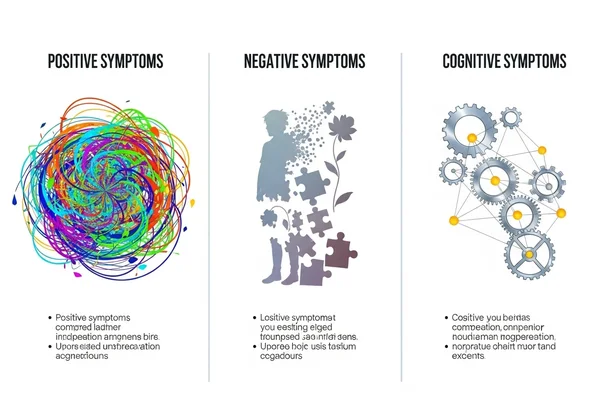
Positive Symptoms: Hallucinations, Delusions, & Disorganized Thinking
Positive symptoms are psychotic behaviors not generally seen in healthy people, representing an an excess or distortion of normal functions. These can be the most alarming symptoms and include:
- Hallucinations: Hearing, seeing, or feeling things that are not there. Auditory hallucinations, like hearing voices, are the most common.
- Delusions: Strongly held false beliefs that are not based in reality, such as believing one is being persecuted or has special powers.
- Disorganized Thinking: Difficulty organizing thoughts, leading to jumbled speech that is hard for others to follow.
- Disorganized Motor Behavior: This can range from childlike silliness to unpredictable agitation.
Negative Symptoms: Impact on Motivation and Emotion
Negative symptoms refer to a reduction or absence of normal behaviors. They are harder to recognize as part of a disorder and often mistaken for depression or laziness. They include the "flat affect" (reduced emotional expression), loss of pleasure in everyday life, decreased ability to initiate and sustain planned activities, and reduced speaking. These symptoms can have a significant impact on social functioning.
Cognitive Symptoms: Memory, Attention, & Processing Difficulties
Cognitive symptoms can be subtle or severe, interfering with "executive functioning"—the ability to process information and make decisions. They include poor ability to focus or pay attention, challenges with working memory (the ability to use information immediately after learning it), and difficulty processing information. If you're wondering about these signs, a schizophrenia test online may provide a useful starting point for discussion with a professional.
Exploring the Causes of Schizophrenia
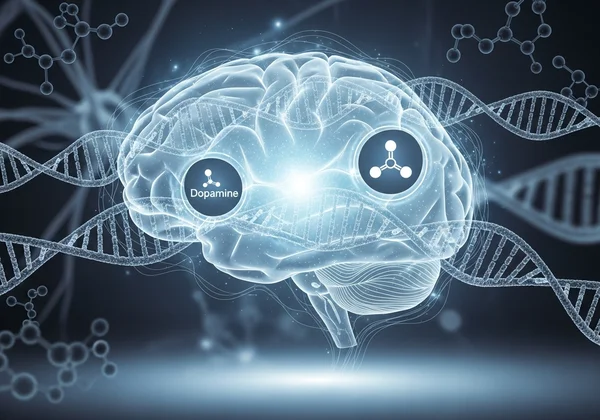
There is no single cause of schizophrenia. Instead, researchers believe that a combination of genetic, biological, and environmental factors contribute to its development. Understanding these potential causes can help demystify the condition and reduce self-blame.
Genetic Factors: Is Schizophrenia Inherited?
Genetics play a significant role. While the condition runs in families, having a family member with schizophrenia does not mean you will definitely develop it. However, it does increase the risk. The risk is complex; multiple genes are thought to be involved, and your overall genetic makeup, not a single gene from one parent, contributes to the risk.
Brain Chemistry & Structure: The Biological Basis
Neurotransmitters—chemicals that carry messages between brain cells—are believed to play a key role. In particular, an imbalance in dopamine and glutamate systems is associated with schizophrenia. Furthermore, subtle differences in brain structure, such as slightly larger ventricles or reduced gray matter in certain areas, are sometimes observed in people with the condition.
Environmental Triggers & Risk Factors
While a person may be genetically predisposed to schizophrenia, environmental factors can act as triggers. These can include exposure to viruses or malnutrition before birth, problems during birth, and psychosocial factors like experiencing trauma or living in a highly stressful environment. Using mind-altering drugs during teen years and young adulthood can also increase risk.
Diagnosing Schizophrenia: The Professional Approach
A definitive diagnosis of schizophrenia can only be made by a qualified healthcare professional, such as a psychiatrist. There is no single lab test for schizophrenia. Instead, diagnosis involves a comprehensive evaluation to rule out other medical conditions or substance use that could be causing the symptoms.
What Tests Confirm Schizophrenia? Clinical Evaluation & Criteria
A professional evaluation includes a psychiatric assessment of symptoms, a review of personal and family medical history, and sometimes a physical exam and blood tests to eliminate other possibilities. The clinician will use the diagnostic criteria outlined in the Diagnostic and Statistical Manual of Mental Disorders (DSM-5) to determine if the specific symptoms and their duration meet the threshold for a diagnosis.
The Role of Self-Assessments: Initial Insights & Next Steps
This is where online tools can be incredibly helpful. While they cannot diagnose you, a free and confidential test for schizophrenia serves as a valuable preliminary screening. It can help you organize your thoughts and experiences, giving you a clearer picture of whether your concerns warrant a professional consultation. Think of it as a first, private step to gain insight. Taking an online schizophrenia test can provide you with a summary to share with a doctor, making that first conversation less daunting.
Treatment & Support for Living with Schizophrenia
While there is no cure for schizophrenia, it is a highly treatable condition. With the right combination of treatments and support, many people can manage their symptoms, reduce relapses, and lead fulfilling, independent lives. The key is early and consistent treatment.

Modern Treatment Approaches: Medication & Therapy
Antipsychotic medications are the cornerstone of treatment, helping manage the most severe symptoms like hallucinations and delusions. Psychosocial treatments are equally important. These include therapies like cognitive behavioral therapy (CBT), which helps change thinking and behavior patterns, as well as family education and support groups.
Can You Fully Recover from Schizophrenia? Focus on Management & Quality of Life
The concept of "recovery" has evolved. For many, recovery means learning to manage the condition to achieve personal goals and maintain a high quality of life, while some may experience complete remission of symptoms. With effective treatment, many individuals can work, have relationships, and be active members of their communities. Hope is a vital part of the journey.
Building a Support System: Resources for Individuals and Families
A strong support system is critical. This includes family, friends, and peer support groups. Educating loved ones about the condition helps them understand what you are going through and provide effective support. Community mental health services can also offer case management to help with housing, employment, and other practical needs.
Empowering Action: Your Next Steps for Mental Health
Understanding schizophrenia—its symptoms, causes, and treatments—is a powerful step toward demystifying the condition and reducing stigma. It transforms fear of the unknown into a proactive search for knowledge and support. If you or someone you know is experiencing confusing symptoms, remember that early awareness and action are crucial. You don't have to navigate this uncertainty alone.
Taking a confidential preliminary screening can be a simple, private way to assess your experiences. It provides immediate insights that can empower you to take the next step. We encourage you to try our free tool today. It’s a responsible first move on your path to mental wellness.
Frequently Asked Questions About Schizophrenia
Do I Have Schizophrenia? How Can I Find Out?
The only way to know for sure is to be evaluated by a mental health professional. However, if you are worried, a good first step is to take a confidential online screening, like the schizophrenia assessment test available on our site. It can help you understand if your symptoms align with early signs and provide a starting point for a conversation with a doctor.
What are the Early Signs of Schizophrenia?
Early signs often include social withdrawal, a drop in functioning at school or work, changes in personal hygiene, difficulty concentrating, and expressing unusual or suspicious ideas. These changes are often gradual and can be hard to spot initially.
Can Someone Fully Recover from Schizophrenia?
While schizophrenia is typically a lifelong condition, "recovery" is absolutely possible. For many, recovery means successfully managing symptoms and living a full, productive life. With consistent treatment, including medication and therapy, the outlook is much more hopeful than it was in the past.
What Does "Mild Schizophrenia" Look Like?
The term "mild schizophrenia" is not an official diagnosis, but it may refer to a person who experiences fewer, less intense, or less frequent symptoms. It could also describe someone in the early "prodromal" stage or an individual whose symptoms are well-managed with treatment. Their challenges might be less disruptive to daily life but still require support. A preliminary screening can help identify even subtle patterns.