Schizophrenia Test: Understanding Blood Tests & Diagnosis
In moments of deep concern about mental health, whether for ourselves or a loved one, we often wish for a simple, clear-cut answer. Many people wonder if there's a straightforward schizophrenia test, like a blood test, that can provide a definitive diagnosis. How to test for schizophrenia? This is a question rooted in a desire for clarity amidst confusion. The truth is, while we might hope for a single lab result to solve the puzzle, the path to understanding and diagnosing schizophrenia is far more comprehensive.
This article will guide you through the facts, separating myth from reality. We will explore why a simple blood test for this complex condition doesn't exist, clarify the actual role of laboratory tests in a mental health assessment, and detail the thorough process that healthcare professionals use for a diagnosis. If you are seeking initial clarity, a preliminary online assessment can be a valuable starting point to organize your thoughts.
Is There a Specific Blood Test for Schizophrenia?
The short answer is no, there is currently no single blood test that can diagnose schizophrenia. While this might be disappointing for those seeking a quick answer, understanding why is a crucial step in appreciating the nature of mental health conditions.
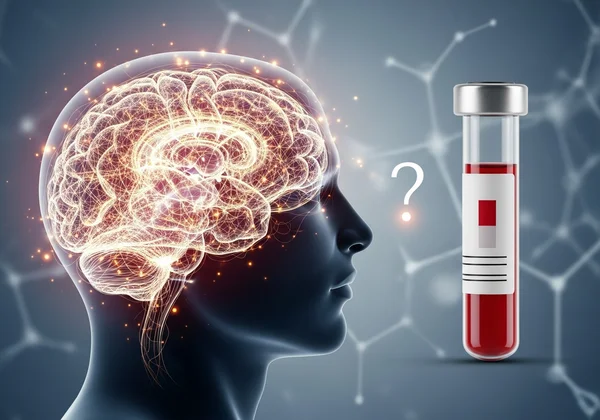
Why a Simple Schizophrenia Test Doesn't Exist (Yet)
Unlike infections identified by antibodies, a simple schizophrenia test can't pinpoint a single cause. Psychiatric disorders are incredibly complex. Schizophrenia involves a multifaceted interplay of genetics, brain chemistry, environmental factors, and individual life experiences. There isn't one single biological marker, or "biomarker," that scientists can point to and say, "This is schizophrenia." The condition affects how a person thinks, feels, and behaves—functions that are far too intricate to be measured by a standard blood draw.
The Real Role of Lab Tests in Schizophrenia Assessment
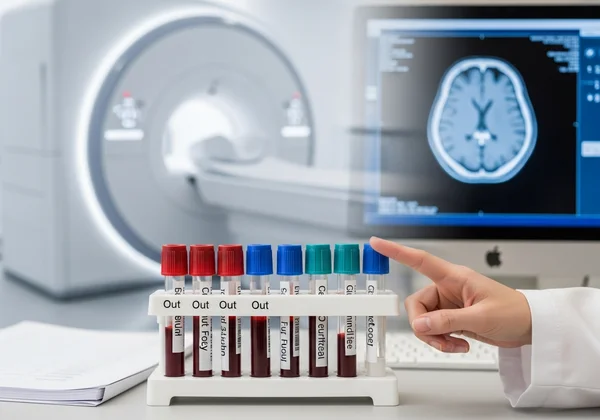
Just because there isn't a direct lab tests for schizophrenia, it doesn't mean they play no part in the diagnostic process. In fact, medical tests are a vital piece of the puzzle, but their role is primarily one of elimination. A doctor will use various tests to ensure that the symptoms a person is experiencing aren't caused by another underlying medical issue.
Ruling Out Other Conditions: Medical Tests That Matter
Before a psychiatrist can confidently consider a diagnosis of schizophrenia, they must perform a differential diagnosis. This means ruling out all other possible causes for the symptoms. Psychotic symptoms, such as hallucinations or disordered thinking, can sometimes be caused by physical conditions. Lab tests help to:
-
Check for Substance Use: A toxicology screen (urine or blood test) can determine if drugs, such as amphetamines or hallucinogens, are causing the symptoms.
-
Identify Hormonal or Metabolic Issues: Blood tests can check for thyroid problems, vitamin deficiencies, or electrolyte imbalances that can sometimes affect mood and cognition.
-
Detect Infections or Neurological Conditions: In some cases, a doctor might order brain imaging scans (like an MRI or CT scan) to rule out tumors, epilepsy, or other structural brain issues.
The Search for Biomarkers: Future of Schizophrenia Genetic Testing
The field of psychiatry is constantly evolving. Researchers are working tirelessly to identify potential biomarkers for schizophrenia. This involves studying everything from inflammation markers in the blood to specific genetic patterns. The goal of this research is to one day develop a more biological schizophrenia test that could help identify risk, predict treatment response, or even lead to earlier interventions. However, it's important to understand that this is still in the research phase and not a part of standard clinical diagnosis today.
How Do Doctors Truly Diagnose Schizophrenia?
Since a simple blood draw is off the table, the actual schizophrenia test used by professionals is a comprehensive evaluation conducted by a qualified mental health professional, such as a psychiatrist or psychologist. This process is thorough, thoughtful, and focused on understanding the individual's complete experience.
The Clinical Assessment: More Than Just a Conversation
A proper clinical assessment involves several key components. The professional will conduct a detailed interview to gather a complete symptom history, asking about the person’s thoughts, feelings, and experiences. They will also observe the person's behavior, speech patterns, and emotional expression. Often, with the patient's permission, they will speak with family members or close friends to get a broader perspective on how the person's behavior has changed over time. This helps build a full picture of their challenges and daily functioning.

Understanding DSM-5 Criteria for a Schizophrenia Diagnosis
Mental health professionals in the United States and many other parts of the world rely on the Diagnostic and Statistical Manual of Mental Disorders, Fifth Edition (DSM-5). This manual provides specific DSM-5 criteria for diagnosing mental health conditions. For schizophrenia, a diagnosis requires the presence of at least two core symptoms for a significant period, with at least one being delusions, hallucinations, or disorganized speech. These symptoms must also cause significant impairment in major areas of life, such as work, relationships, or self-care.
What Are the Early Signs of Schizophrenia to Watch For?
Recognizing the early signs is critical, as early intervention can significantly improve long-term outcomes. Many people use an early signs of schizophrenia test online to make sense of initial changes they observe. While not a diagnostic tool, it can help structure these observations. If you're worried about subtle changes in yourself or someone you know, you can explore your symptoms with a confidential online tool.
How Does Schizophrenia Start Off? Subtle Early Changes
Often, schizophrenia begins with what is known as the prodromal phase. During this period, which can last for months or even years, the signs are often subtle and can be mistaken for teenage moodiness or stress. These can include:
- Gradual social withdrawal and isolation.
- A decline in academic or work performance.
- Trouble concentrating or communicating clearly.
- A loss of interest in activities once enjoyed.
- Developing unusual ideas or beliefs.
Recognizing What Mild Schizophrenia Looks Like
The question of what mild schizophrenia looks like is common. It’s important to remember that schizophrenia exists on a spectrum. In some individuals, the initial symptoms may be less intense. This could manifest as vague, odd beliefs that don't quite reach the level of a delusion, or fleeting perceptual disturbances rather than full-blown hallucinations. They may struggle more with "negative" symptoms like lack of motivation or emotional flatness, which can be harder to identify as part of a serious condition.
Is It Schizophrenia or Something Else? Initial Self-Assessment
If you're asking yourself, "Do I have schizophrenia test?" it's a sign that you are seeking understanding. While only a professional can provide a diagnosis, an initial self-assessment can be a helpful first step. A confidential tool, like our confidential schizophrenia test, is designed to help you review your experiences based on scientifically validated questions. It provides preliminary insights that can empower you to have a more informed conversation with a healthcare provider.

Your Next Steps Towards Understanding Schizophrenia
While the hope for a simple schizophrenia blood test is understandable, the reality of diagnosis is rooted in a careful, comprehensive, and compassionate clinical evaluation. Laboratory tests play a crucial but supportive role, helping to rule out other medical causes. The true diagnostic process involves a deep dive into an individual's experiences, symptoms, and life history.
Recognizing the early signs and understanding that a definitive diagnosis requires a professional are the most important takeaways. If you are feeling uncertain or concerned, the journey toward clarity doesn't have to be overwhelming. Taking a free, confidential schizophrenia assessment test can be a responsible and empowering first move, providing you with a structured summary of your experiences to share with a doctor or mental health expert.
Frequently Asked Questions About Schizophrenia Diagnosis & Testing
Can an online self-assessment confirm if I have schizophrenia?
No, an online self-assessment cannot confirm a diagnosis. Tools like the one on our site are designed as preliminary screening resources. They help you identify and organize symptoms that may warrant further discussion with a professional. They are a valuable first step for self-reflection but must not replace a full evaluation by a qualified healthcare provider. You can try our free tool to gain initial insights.
What steps does a doctor take to diagnose schizophrenia?
A doctor or psychiatrist will conduct a comprehensive evaluation that includes a detailed clinical interview, a review of your medical and psychiatric history, observation of your behavior, and potentially interviews with family. They will compare your symptoms against the established criteria in the DSM-5 and use medical tests to rule out other conditions before making a diagnosis.
Are there specific medical tests, other than blood tests, used to rule out other conditions?
Yes. Besides blood tests, doctors may use brain imaging techniques like an MRI or CT scan to look for abnormalities like tumors or other neurological issues. An electroencephalogram (EEG) might be used to check for seizure disorders, which can sometimes present with unusual symptoms.
What are the most common early signs of schizophrenia?
The most common early signs often involve a gradual change in functioning. This can include social withdrawal, a decline in personal hygiene, disorganized or rambling speech, a lack of motivation, and the emergence of odd or suspicious beliefs.
Is schizophrenia inherited, and can genetic testing predict it?
Schizophrenia does have a genetic component, meaning it can run in families. However, genetics are only part of the risk. There is no single "schizophrenia gene," and genetic testing cannot currently predict with any certainty who will develop the condition. It is a complex interplay of many genes and environmental factors.