Overcoming Schizophrenia Stigma: Take a Confidential Schizophrenia Test
Concerns about mental health can feel isolating, especially when your culture views these topics with silence or fear. Do you worry what others might think if you seek help? You are not alone. In many communities, the stigma around conditions like schizophrenia creates a heavy burden, preventing people from understanding their own experiences. This can lead to confusion, loneliness, and delayed care.
Taking that first step can feel daunting, especially when cultural barriers make traditional help feel out of reach. That's why our confidential online assessment was designed—it gives you clarity without forcing you to compromise your privacy or cultural values. This article will explore how cultural stigma affects mental health and explain how you can gain personal insights without compromising your privacy. A free and confidential self-assessment is available to help you understand your symptoms discreetly.

How Cultural Perceptions Impact Mental Health Help-Seeking
The way we think about mental health is deeply shaped by our cultural background. These unwritten rules can either support us or create significant barriers to getting the help we need. Understanding these dynamics is the first step toward overcoming them.
Common Cultural Stigmas Around Schizophrenia
Different cultures interpret mental illness in vastly different ways. In some, it may be seen as a spiritual failing, a sign of personal weakness, or something that brings shame upon a family. These beliefs, though often rooted in tradition, can be incredibly isolating for someone experiencing confusing symptoms like disorganized thoughts or hearing things others do not.
This stigma often prevents open conversation. People may fear being judged, ostracized, or seen as "crazy" by their community. As a result, they might hide their struggles, pretending everything is fine while suffering in silence. This silence prevents them from learning about their condition and discovering that help is available.
The Hidden Costs of Silence: When Cultural Pride Becomes a Barrier
Upholding family honor or community dignity is a powerful value in many cultures. While this creates strong social bonds, it can sometimes conflict with an individual's need for self-care. The fear of bringing shame to one's family often feels more urgent than the long-term effects of untreated mental health issues. This immediate threat can prevent people from seeking help they desperately need.
Studies show that individuals from cultures with high mental health stigma often wait much longer to seek professional help. This delay can make symptoms more severe and recovery more challenging. Imagine a young person who is told their troubling thoughts are just a phase or a teenager whose social withdrawal is dismissed as laziness. These scenarios are common and highlight the tension between cultural pride and personal well-being. When silence becomes the default, symptoms can worsen over time. Without early insights, what might have been managed with support can grow into more serious challenges.
Confidential Testing: Your Discreet Path to Mental Health Insights
When facing cultural barriers, privacy is not just a preference—it is a necessity. A confidential schizophrenia test provides a secure space to explore your concerns without fear of exposure or judgment. It empowers you to seek answers on your own terms.
How Anonymous Online Testing Respects Cultural Boundaries
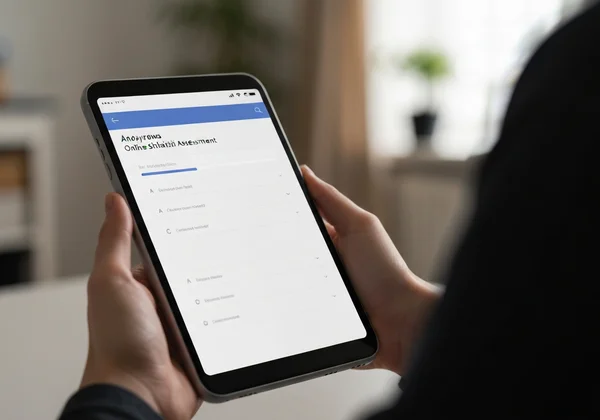
Modern online tools are designed with your privacy in mind. A key feature of our platform is its complete anonymity. You do not need to provide your name, email, or any identifying information to use the core service. This allows you to take the test from any private device, whether it's your phone at night or a personal computer at home.
Your data is protected, and your results are for your eyes only. This level of confidentiality directly addresses the cultural fear of being "found out." It respects your need for discretion, allowing you to focus on your experiences without worrying about community gossip or family disapproval. It is a modern solution that honors traditional needs for privacy. If you are ready for a private first step, you can start your test now.
Navigating Test Results Within Your Cultural Context
It is crucial to understand what an online screening tool can and cannot do. Our schizophrenia test uses the Prodromal Questionnaire, a scientifically-backed approach designed to identify early warning signs. This method has helped many people gain insights before symptoms become more severe. However, it is not a diagnostic tool and does not give you a medical diagnosis.
Instead, think of your results as a single piece of a larger puzzle. They provide preliminary insights that can help you organize your thoughts and better understand your experiences. Your results can serve as a starting point for a conversation with a trusted person or a qualified professional. The goal is to gain clarity, not to apply a label. This perspective allows you to use the tool's insights in a way that aligns with your personal and cultural values.
Culturally-Informed Strategies for Mental Health Advocacy
Taking a confidential test is a powerful act of self-advocacy. The next step is learning how to use that information to build a support system that respects both your heritage and your well-being.
Finding Culturally Competent Mental Health Support
If you decide to seek professional help, finding someone who understands your cultural background can make a significant difference. A culturally competent therapist or doctor will recognize how your values, family dynamics, and community beliefs influence your mental health. They can provide guidance that feels relevant and respectful.
Here are some tips for finding such support:
- Look for professionals who list experience with your cultural or linguistic group.
- Check online directories that allow you to filter by language or specialty.
- During your first consultation, ask questions about their experience with clients from your background.
Preparing for this conversation is key. You can bring a summary of your results from the online assessment tool to help you describe your symptoms clearly and concisely.
Bridging Cultural Values and Mental Health Needs
Seeking help for your mental health does not mean abandoning your cultural identity. It is about finding a healthy balance. Many cultures have their own traditions for healing and community support that can complement professional mental health care.
For example, you might frame seeking help not as a sign of weakness, but as an act of strength to preserve your ability to contribute to your family and community. You can start by confiding in one trusted family member or friend who is more open-minded. Building a small, private support system is often the first step toward bridging the gap. The goal is to integrate mental wellness into your life in a way that honors your heritage while prioritizing your health.
Your Confidential First Step Toward Mental Wellness
Cultural stigma surrounding schizophrenia and other mental health conditions is a powerful barrier, but it does not have to be the end of your story. Confidential online testing offers a safe, private, and judgment-free way to explore your concerns and gain valuable insights. It respects your need for privacy while empowering you with information.
An early understanding of your symptoms is crucial, regardless of your cultural background. An assessment is not a diagnosis, but a responsible first step toward clarity and well-being. It gives you a structured way to understand what you're feeling, on your own terms.
You have the power to take control of your mental health journey. Take the first step today. Take our free and confidential assessment to gain clarity about your experiences and get preliminary results in minutes. Your privacy is our priority.

FAQ Section
Will the schizophrenia test results be shared with my community or family?
Absolutely not. Our test is completely confidential. You are not required to enter any personal information like your name or email. Your results are for your eyes only and are not shared with anyone.
How can I take the test if my culture doesn't believe in mental health assessments?
The test is designed for this exact situation. Because it is online and anonymous, you can take it privately without anyone knowing. It can be a personal tool for you to understand your own experiences, separate from cultural opinions. It’s a first step you take for yourself.
Is the test available in my native language?
Yes, our platform supports a wide range of languages, including Spanish, Chinese, Hindi, Arabic, and many others. The goal is to make the tool accessible to a global audience, so you can take the schizophrenia test in the language you are most comfortable with.
What if my cultural practices conflict with the test questions?
The test asks about your personal experiences over the past month, such as your thoughts and perceptions. It is designed to be as neutral as possible. If a question feels strange or doesn't apply to your cultural context, answer it as best you can based on your personal feelings. The results are a guide, not a final judgment.
How can I discuss test results with family members from a different cultural background?
This can be challenging. A good approach is to focus on specific behaviors rather than labels. For example, instead of saying "I think I might have schizophrenia," you could say, "I've been feeling very confused lately and it's making it hard to work." Using the insights from a confidential screening can help you describe your feelings more clearly.