Managing Schizophrenia Symptoms: Practical Coping Strategies and Self-Test Guidance
Are you feeling overwhelmed by unusual thoughts or sensory experiences? Perhaps you feel as though your mind is playing tricks on you. You might notice sights and sounds that others don't seem to perceive. If you are asking yourself, "How do I manage these confusing feelings?", you are not alone. Many people experience periods of high distress and sensory overload before they understand what is happening to them.
The first step toward finding peace is gaining clarity. Psychosis can be frightening. However, you can take immediate, practical steps to find your ground and reduce anxiety. Before we dive into the techniques, it is helpful to have an objective starting point. You can take a test to see if your experiences align with common early symptoms. Understanding your symptoms is the foundation of effective management.
This guide will walk you through immediate grounding techniques and long-term lifestyle changes. We will also explore ways to build resilience. Our goal is to help you move from a state of confusion to a place of clarity and calm.

Recognizing and Calming Episode Symptoms: A Self-Test Guide
When you are in the middle of a difficult episode, your brain is often in a state of "high alert." During these moments, the world may feel chaotic or threatening. It might simply feel too loud. The goal of calming schizophrenia episodes is to lower the intensity of your nervous system. This allows you to regain control of your focus.
Grounding Techniques for Psychosis
Grounding pulls your attention away from distressing thoughts or hallucinations. It brings you back to the physical world. It is a powerful tool for managing "derealization"—the feeling that the world around you isn't real. One of the most effective grounding techniques for psychosis is the 5-4-3-2-1 method.
To practice this, stop what you are doing and identify:
- 5 things you can see: Look for small details. Notice the pattern on a rug or the way light hits a window.
- 4 things you can feel: Focus on the weight of your feet on the floor. Notice the texture of your clothing.
- 3 things you can hear: Listen for distant sounds. This could be traffic or a ticking clock.
- 2 things you can smell: If there are no obvious smells, notice the scent of your skin.
- 1 thing you can taste: Focus on the lingering taste of your last meal or a sip of water.
Processing external sensory data leaves less room for internal hallucinations. This keeps paranoid thoughts from taking center stage. If you find these exercises helpful, you may want to start your test to document how often you feel disconnected from reality.
Managing Auditory Hallucinations
Hearing voices or sounds that others do not is a common experience. It can be exhausting and distracting. You may not be able to make the sounds disappear instantly. However, you can change how much power they have over you.
Many people find relief by using "competing stimuli." This means giving your ears something else to focus on. Listen to music through headphones or play white noise. Even humming a low tune to yourself can help drown out auditory hallucinations. Another strategy is to talk back to the voices in a calm, firm way. Tell yourself: "This is just a symptom, and it cannot hurt me." This reduces the fear that often feeds the experience’s intensity.
Natural Symptom Relief Strategies
Professional medical care is often necessary. However, your daily habits play a massive role in how severe your symptoms feel. Exploring natural symptom relief involves looking at your environment. It also means looking at the routine you build for yourself. A stable body often leads to a more stable mind.
The Impact of Sleep and Routine
Sleep is a vital factor in mental stability. For individuals prone to psychosis, a lack of sleep can be a major trigger. When you don't sleep, your brain’s ability to filter information breaks down. This often leads to increased confusion and hallucinations.
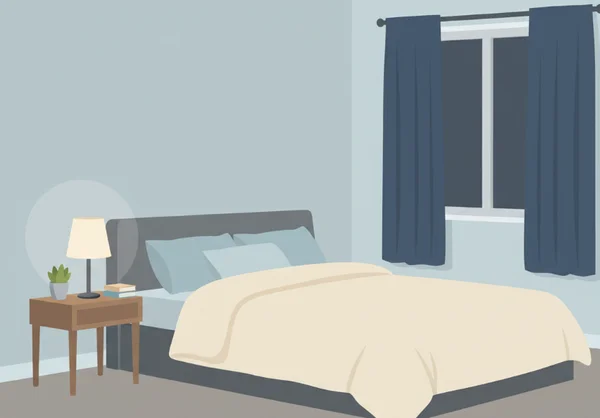
Build a sleep-friendly routine. Keep consistent bedtimes—even on weekends. Avoid screens before bed; their blue light disrupts sleep hormones. A predictable routine provides your brain with a sense of safety. When your brain knows what to expect next, it is less likely to enter a state of high-stress "hyper-vigilance." If you are struggling with a disrupted schedule, you can see your results after a quick assessment to see if sleep issues are linked to other signs of distress.
Reducing Stimuli and Stress Triggers
Modern life is full of "noise." For someone experiencing early signs of schizophrenia, a crowded mall can be physically painful. A loud party might be mentally taxing. To find calm, you must learn to curate your environment.
Start by identifying your triggers. Does a specific type of social interaction make you feel paranoid? Do bright lights make your thoughts feel more disorganized? Once you know your triggers, you can plan for them. This might mean wearing sunglasses indoors if the lights are too bright. You might choose to meet friends in a quiet park rather than a busy cafe. Reducing the total amount of "input" your brain has to process can provide significant relief.
Building Psychosis Coping Skills
Long-term management is about building a "toolbox" of psychosis coping skills. These strategies help you stay resilient even when symptoms fluctuate. It is about moving from a reactive state to a proactive one.
The Role of Mindfulness and CBT
Mindfulness is the practice of observing your thoughts without judgment. Instead of thinking, "I am having a scary thought, something is wrong," try a different approach. Think: "I am having a thought that feels scary, and I am watching it pass like a cloud." This small shift creates distance between you and your symptoms.
Cognitive Behavioral Therapy (CBT) identifies distorted thinking. If you assume strangers are mocking you, CBT teaches you to seek counter-evidence. It’s a proven method to challenge false perceptions. While working with a therapist is best, you can begin practicing basic self-reflection today. Ask yourself, "Is there another explanation for what I am experiencing?" To help organize your thoughts, track your symptoms with our assessment for a preliminary look at your current mental state.
Establishing a Support Network
You do not have to navigate these challenges alone. Building a support network is a critical coping skill. This network can include family members, trusted friends, or support groups. When you share your experiences with people who understand, the burden feels lighter.
It is often helpful to create a "wellness recovery plan" with your supporters. This plan outlines what you need when symptoms become intense. For example, you might ask a friend to help you with grocery shopping when you feel overwhelmed. Having these agreements in place ahead of time reduces stress during difficult periods.

When to Seek Professional Support
Self-help strategies are valuable, but they have limits. Schizophrenia and related conditions are biological in nature. Professional intervention is often the most effective way to achieve long-term stability. You should seek professional help if:
- You feel you are a danger to yourself or others.
- Your symptoms prevent you from eating or sleeping.
- You cannot maintain basic hygiene.
- You feel completely unable to tell what is real and what is not.
- The voices you hear are commanding you to do things.
There is no shame in seeking support. Catching symptoms early often leads to much better outcomes. A mental health professional can provide a formal diagnosis. They can also discuss treatment options that complement your coping skills.
Moving Forward: Combining Coping Strategies with Self-Awareness
Managing the symptoms of schizophrenia is a journey, not a sprint. By using grounding techniques and prioritizing your sleep, you are taking significant steps toward recovery. Learning to navigate your triggers helps you find your ground when the world feels unstable.
Coping is only one part of the equation. The other part is understanding. Strategies in this guide help manage distress. However, knowing the root of your symptoms is crucial for long-term well-being. Don't leave your health to guesswork. Take our free, confidential schizophrenia test today to gain preliminary insights into your experiences. This assessment is a safe, anonymous way to help you decide on your next steps toward a clearer, calmer future.
FAQ Section
How does schizophrenia start off?
Many people first notice something isn’t right when they withdraw from friends or feel suspicious without reason. Our test helps identify if these changes need attention. It rarely starts with a sudden break from reality. Instead, it usually begins with subtle changes. You might lose interest in hobbies or struggle to concentrate at work. You might feel "off," as if the world has become slightly blurred or confusing. Because these signs are often vague, using a preliminary assessment can be helpful in identifying if these changes are cause for concern.
Can you fully recover from schizophrenia?
The concept of "recovery" in schizophrenia often focuses on "recovery-oriented care." The goal is to manage symptoms so effectively that they no longer interfere with a meaningful life. Many people with schizophrenia hold jobs and have families. They contribute significantly to their communities. With a combination of medication, therapy, and strong psychosis coping skills, long-term stability is absolutely possible. The earlier a person receives support, the better the chances of maintaining a high quality of life.
How to test for schizophrenia?
There is no single blood test or brain scan that can diagnose schizophrenia. A psychiatrist or psychologist makes a formal diagnosis. They use clinical interviews and a review of your medical history. They look for specific patterns of symptoms that have lasted for a certain period. However, many people find it helpful to start with an online test to see if their experiences align with clinical criteria. This can be a great way to prepare for a doctor's visit. It helps you organize and describe your symptoms clearly.
Disclaimer: The information on this website, including this article and the online assessment, is intended for informational and educational purposes only. It is not a substitute for professional medical advice, diagnosis, or treatment. If you are experiencing a mental health emergency, please contact your local emergency services or a crisis hotline immediately.