How to Help Schizophrenic Family: A Guide to Communication and Support
Do you suspect a family member might be experiencing schizophrenia symptoms? As a psychology enthusiast passionate about mental health awareness, I’ve seen how conversations about potential psychosis can feel terrifying yet transformative when approached with care. This guide equips concerned supporters like you with compassionate strategies to initiate these delicate discussions — and highlights our free schizophrenia test as a private first step toward clarity.
Understanding Early Schizophrenia Symptoms for Family Support
Early Signs of Schizophrenia: What Family Members Should Know
Before you learn how to help schizophrenic family members, you must first understand the condition. Learn to distinguish common early signs of schizophrenia—like social withdrawal, disorganized speech, or unusual beliefs—from typical stress responses. These symptoms often emerge gradually in late teens to early adulthood. Reputable sources like the National Institute of Mental Health confirm that early intervention improves long-term outcomes. Understanding these signs is the first step in providing effective support.
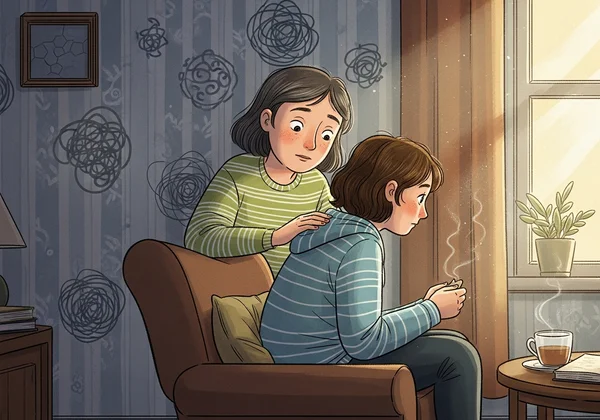
Choose the Right Time and Place for Privacy
Select a quiet, neutral space when both parties are calm. Avoid high-stress moments like family arguments. A 2020 study in the Journal of Family Psychology shows privacy reduces defensiveness — consider a walk in nature or a relaxed evening at home.
Manage Your Own Expectations and Emotions
Accept that denial is common initially. Write down your concerns beforehand to stay focused if emotions escalate. Acknowledging your own feelings first is key; you’ll communicate more effectively when grounded.
Opening Dialogue with Someone Experiencing Schizophrenia Symptoms
Use "I" Statements to Express Concern Without Blame
Frame observations around your feelings and specific behaviors to avoid sounding accusatory: "I’ve noticed you’ve seemed distant lately, and I feel worried when you don’t join us for dinner. Could we talk about how you’ve been feeling?" This approach reduces perceived accusations that might trigger withdrawal.

Focus on Observable Behaviors, Not Labels
Instead of asking, "Are you schizophrenic?" describe specific patterns you've observed: "I’ve seen you covering your ears when no one’s talking — does that happen often? What’s that like for you?" Centering the conversation on their experience builds the trust needed for deeper sharing and makes suggesting a schizophrenia assessment test feel more like a supportive step.
Example Phrases: From Opening Lines to Follow-Up Questions
- Gentle opener: "You matter to me, and I’ve sensed some changes. Would you feel comfortable sharing what’s been on your mind?"
- If resistant: "Whenever you’re ready, I’m here. Would taking a private online schizophrenia test help you make sense of things first?" (Emphasize confidentiality)
- Follow-up: "How have these feelings impacted your day? What kind of support would feel helpful?"
Navigating Common Challenges and Schizophrenia Support
What to Do When They Deny or Deflect
Avoid arguments — validate their perspective while leaving the door open: "I understand this might not match how you see things right now. Just know my care for you hasn’t changed. Let’s check in again next week." Patience is a crucial part of schizophrenia support for families.
Responding to Anger or Hostility with Calm
If met with "You’re imagining things!" respond with empathy, not defensiveness: "I’m sorry if this came across as criticism — that wasn’t my intent. I care deeply about your wellbeing. Maybe we can talk to someone together?" Schedule a follow-up chat after tensions ease.
Setting Boundaries While Offering Support
You might say: "I can’t force you to seek help, but I will keep checking in because I love you. If things feel overwhelming, here’s the number for the Crisis Text Line." Pair emotional availability with clear limits — burnout helps no one.
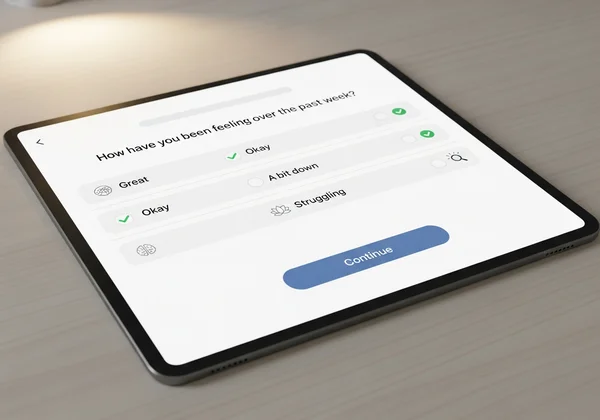
Using Our Free Schizophrenia Test as a Communication Tool
While your support matters, schizophrenia requires professional evaluation. Our free schizophrenia assessment takes just 5 minutes and provides a neutral, data-driven starting point for discussion.
✅ Immediate, confidential results ✅ Scientifically developed questions ✅ Translated into 16 languages
Important: This screening doesn’t diagnose schizophrenia but helps identify whether professional consultation is advisable. Consider completing it together or sharing the link privately as a gentle next step.
Take the Free Schizophrenia Symptom Checklist Now
Family Support for Suspected Schizophrenia
How to test for schizophrenia? A formal diagnosis requires a clinical evaluation by a psychiatrist. However, an online anonymous schizophrenia test can be a valuable first step. You can gently suggest it as a private way for your loved one to explore their symptoms without pressure before deciding whether to see a doctor.
What are 5 signs of schizophrenia? Key warning signs family members should watch for include:
- Social Withdrawal: Increasingly isolating from friends and family.
- Disorganized Speech: Incoherent or illogical patterns of speaking.
- Hallucinations: Hearing or seeing things that aren't there.
- Delusions: Holding strong, false beliefs despite evidence to the contrary.
- Apathy (Lack of Motivation): A significant decrease in goal-oriented activity.
How do I tell if I'm schizophrenic? If you are asking this for yourself or a loved one, the best approach is to compare experiences against a structured checklist of symptoms. Our free tool is designed for this purpose. It helps organize thoughts and symptoms, providing a clearer picture that can be shared with a healthcare professional for an accurate diagnosis.
Disclaimer: SchizophreniaTest.net provides preliminary self-assessment tools only. Our content is reviewed by mental health advisors but cannot replace professional diagnosis. If you or your loved one is in crisis, contact emergency services immediately.