Child Schizophrenia Test: Early Signs & Parental Next Steps
As a parent, you know your child better than anyone. When their behavior changes in ways that feel confusing or worrying, it’s natural to feel concerned. You might be asking yourself, is this just a developmental phase, or could it be something more serious? Distinguishing between typical childhood challenges and the early signs of a mental health condition like schizophrenia can be incredibly difficult.
This article is here to help. We will provide clear, straightforward information about the early symptoms of schizophrenia in children. We'll also discuss how a preliminary screening can offer initial insights. Understanding these signs is the first, most powerful step you can take. Parents often need a confidential way to sort their concerns. Our free online tool can help. It guides your next steps with a healthcare pro. You can try our free tool to begin.
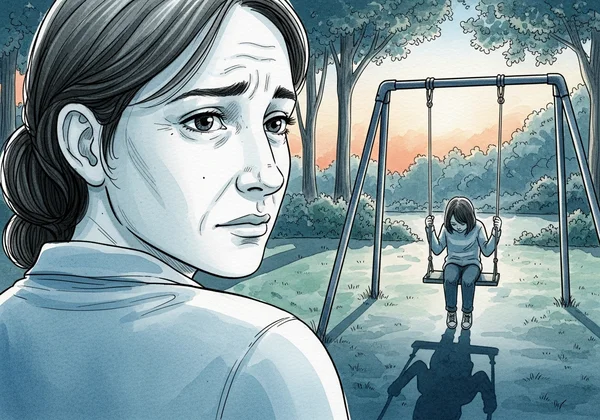
Understanding Early Schizophrenia Symptoms in Children
Childhood-onset schizophrenia is rare, but recognizing the signs early is crucial for effective support and treatment. Unlike in adults, symptoms in children can develop gradually and may be mistaken for other developmental issues. Paying close attention to persistent and significant changes in your child's behavior, thinking, and emotions is key.
What Are the Initial Warning Signs to Watch For?
Early symptoms can be subtle and may vary greatly from one child to another. However, some common patterns have been observed. Here are several warning signs that, especially when appearing together, may warrant a conversation with your pediatrician:
-
Significant Social Withdrawal: A child who was once social may start avoiding friends and family, preferring to be alone for long periods.
-
Decline in Self-Care: You might notice a drop in personal hygiene, such as not bathing or changing clothes.
-
Disorganized Speech or Thinking: Your child may have trouble organizing their thoughts, jump between unrelated topics, or use words in unusual ways.
-
Severe Mood Swings or Lack of Emotion: They might display emotions that don't fit the situation or, conversely, show a flat affect with very little emotional expression.
-
Confusing Fantasy with Reality: While a vivid imagination is normal for kids, a persistent inability to separate dreams or fantasy from real life can be a concern.
-
Unusual Thoughts or Fears: This can include extreme paranoia, such as believing someone is out to get them or that they are being watched.
-
Hearing or Seeing Things: Your child might mention hearing voices that no one else hears or seeing things that aren't there.
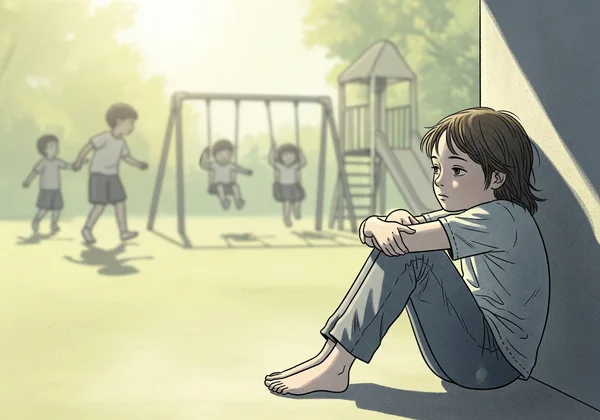
How Child Symptoms May Differ from Adult Presentations
The signs of schizophrenia in children can look different from the more commonly known adult symptoms. For example, hallucinations in children are often less complex. A child might hear simple sounds or a voice calling their name, whereas an adult may hear full conversations.
Similarly, delusions—strong beliefs that are not based in reality—may be less elaborate and could be mistaken for childhood fantasies. The gradual onset also makes it challenging. These symptoms can mimic ADHD, autism, or bad anxiety. That's why you need a pro's evaluation for the real picture.
Why Early Detection is Critical for Childhood Psychosis
Identifying potential signs of psychosis as early as possible can dramatically improve a child’s long-term outlook. Early intervention allows healthcare professionals to provide support that can help manage symptoms, improve social and academic functioning, and enhance the overall quality of life.
Taking action isn’t about jumping to conclusions; it’s about being proactive in supporting your child’s mental well-being. Acknowledging your concerns and seeking guidance is a sign of strength and love.
Considering a Pediatric Schizophrenia Screening Test
When you’re filled with worry and uncertainty, an online screening tool can serve as a helpful starting point. It can help you structure your observations and decide whether it’s time to seek professional medical advice.
When an Online Child Schizophrenia Assessment Can Help
An online assessment can be a useful first step in several situations. Consider using one if you:
- Have noticed several of the warning signs over a period of weeks or months.
- Want to gather your thoughts before speaking with a doctor.
- Feel unsure if your concerns are significant enough to warrant a professional visit.
- Need a private and confidential way to explore what these symptoms might mean.
A preliminary screening can provide a structured way to review your child’s experiences, making it easier to have a productive conversation with a healthcare provider. Taking a free online test can help you feel more prepared.

What Our Free, Confidential Online Test Offers Parents
Our free, confidential tool offers parents a preliminary screening based on the established Prodromal Questionnaire. Our goal is to empower you with initial insights in a safe, private space. Here’s what our tool provides:
- Complete Confidentiality: No personal information is required to take the test. Your privacy is protected.
- Instant Preliminary Results: You receive immediate feedback based on the answers provided.
- Based on Scientific Methods: The questionnaire is designed to screen for early signs associated with psychosis risk.
It is crucial to understand that this is not a diagnostic tool. No online test can replace the evaluation of a qualified medical professional. It is designed to be an informational resource to help you decide on your next steps.
Interpreting Preliminary Results and Your Next Steps
After completing the questionnaire, you will receive a summary of the responses. This summary can help highlight areas of potential concern. Regardless of the outcome, the most important next step is always the same: schedule an appointment with a pediatrician or a child mental health specialist.
Bring your notes and results. They'll give the doctor a strong starting point. Remember, this is about gathering information to support your child in the best way possible.
Parental Guidance: Professional Consultations & Support
Navigating the path to getting professional help can feel daunting, but you are not alone. Here are some practical steps you can take to advocate for your child’s mental health and create a supportive environment at home.
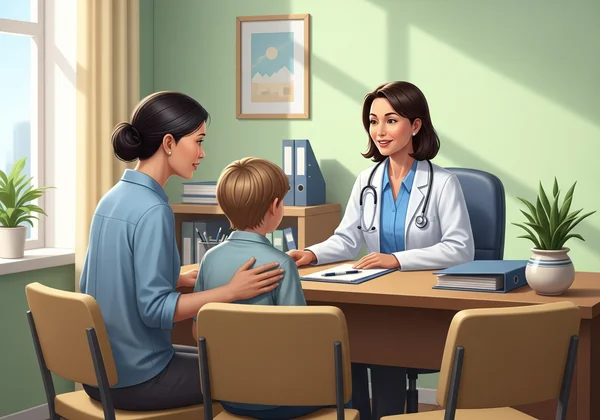
Talking to Your Pediatrician About Mental Health Concerns
Your child’s pediatrician is often the best first point of contact. They can conduct an initial assessment and refer you to a specialist if needed. To make the conversation as effective as possible:
- Be Specific: Instead of saying your child is "acting weird," describe the specific behaviors you've observed (e.g., "For the past month, he has been talking about hearing whispers when no one is around.").
- Create a Timeline: Note when you first noticed the changes and how frequently they occur.
- Ask for a Referral: Directly ask for a referral to a child psychiatrist or psychologist who specializes in psychosis.
Finding Qualified Child Mental Health Specialists
Finding the right specialist is a critical step. Your pediatrician can provide referrals, but you can also look for professionals through:
- Your health insurance provider’s directory.
- Reputable mental health organizations like the National Alliance on Mental Illness (NAMI) or the National Institute of Mental Health (NIMH).
- Local university hospitals, which often have specialized child and adolescent psychiatry departments.
Look for a specialist with experience in evaluating and treating young people with complex mental health conditions.
Creating a Supportive Home Environment for Your Child
While professional treatment is essential, a stable and loving home environment provides the foundation for your child's well-being. Here are a few ways to foster a supportive atmosphere:
- Maintain Routines: Predictable daily schedules for meals, homework, and bedtime can create a sense of security.
- Communicate Openly: Encourage your child to talk about their feelings without fear of judgment.
- Reduce Stress: A calm and low-stress home can help reduce triggers and anxiety.
- Offer Unconditional Love: Reassure your child that you love and support them, no matter what challenges they are facing.
Your Child's Well-being: Taking Proactive Steps
Worrying about your child's mental health can be one of the most challenging experiences a parent can face. Remember that recognizing potential warning signs is the first and most important step toward getting them the help they need. Early detection and intervention are powerful tools that can make a profound difference.
Parents like you make all the difference—start by jotting down what you've seen and booking that doctor's visit. If you are ready to gain some preliminary clarity in a confidential setting, start your assessment today. It's a responsible first step on the path to supporting your child’s future.
Frequently Asked Questions About Child Schizophrenia & Screening
Do I need a specific child schizophrenia test if my kid shows unusual behavior?
While a screening tool can be helpful, it’s not a substitute for a professional diagnosis. An online test can help you organize your thoughts and decide if your concerns warrant a visit to a doctor. It's a starting point for a conversation with a healthcare provider.
How do doctors typically test for schizophrenia in children?
There is no single "test" like a blood test. A diagnosis is made after a comprehensive evaluation by a child psychiatrist or psychologist. This includes detailed interviews with the child and parents, observation of the child’s behavior, and ruling out other medical or psychiatric conditions that could cause similar symptoms.
What are the very first signs of schizophrenia that might appear in a child?
The very first signs are often subtle changes in functioning. This can include a noticeable drop in school performance, withdrawing from friends and hobbies, trouble with clear thinking, and an increase in unusual thoughts or suspicions.
Can a child fully recover from early signs of schizophrenia?
While schizophrenia is a chronic condition, early and consistent treatment can be highly effective. Many individuals learn to manage their symptoms successfully and lead full, productive lives. The goal of treatment is to control symptoms, improve functioning, and support long-term well-being.
Is schizophrenia inherited from parents to children?
Genetics can play a role. A child with a close relative with schizophrenia has a higher risk of developing the illness than someone with no family history. However, genetics are not the only factor, and most children with a family history do not develop the condition. You can use our screening test to better understand potential symptoms.